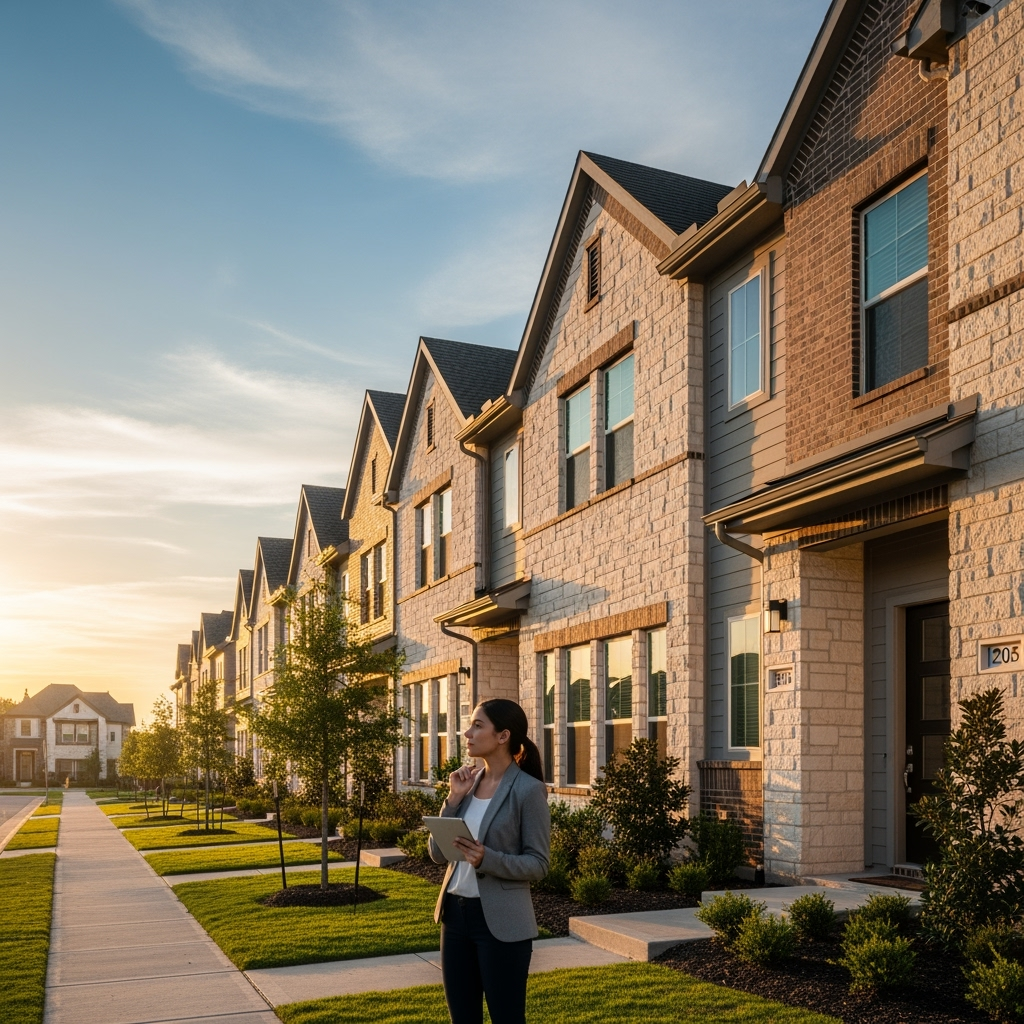
If you’re exploring housing that blends easy upkeep with modern living, I’ve spent years helping buyers weigh the options—and one place worth a close look is townhomes Richmond, TX. For quick context about population growth and housing trends that affect pricing and demand, the U.S. Census Bureau’s homepage is a useful reference for local and national data at https://www.census.gov.
Why people are choosing townhomes in the Richmond area
Richmond and the surrounding communities have been drawing buyers who want more space than an apartment but less exterior maintenance than a single-family lot. Townhomes often offer a “best of both” arrangement: multiple floors for privacy, a small private yard or patio, and shared exterior upkeep handled by an HOA. For many buyers here, that combination of value and convenience is hard to beat.
Another reason townhomes are popular in this area is location. Richmond is an affordable entry point for people who commute toward central Houston or work in nearby commercial hubs. That proximity, combined with growing local amenities, makes townhomes a sensible choice for first-time buyers, young professionals, and downsizers alike.
What modern townhomes in the area typically include
Newer townhome developments in and around Richmond focus on livability and efficiency. Expect open-concept living areas, two to three bedrooms, multipurpose flex rooms, and attached garages. Kitchens commonly feature quartz or granite counters, energy-efficient appliances, and room for a breakfast nook. Upstairs, bedrooms are designed for quiet and light, while master suites often include walk-in closets and private baths.
Beyond floor plans, builders are adding systems that reduce ongoing costs and improve comfort. These include enhanced insulation, smart thermostats, LED lighting, and high-efficiency HVAC units. If lower utility bills and fewer maintenance surprises matter to you, look for these features when comparing communities.
Neighborhoods and commute patterns to know
Richmond sits in Fort Bend County and shares easy access to the broader Houston metro area. Commuters often travel along major corridors to nearby employment centers, and drive times vary depending on rush hour and route. The area also benefits from a mix of older, walkable neighborhoods near historic downtown amenities and newer subdivisions with planned green space and community features.
When choosing a location, think about what matters day to day: proximity to grocery stores, quick access to main roads, and straightforward school routes. If your daily life includes frequent travel to the city, prioritize a community with easy on-ramps or a predictable route to your workplace. If you value local shopping and dining, choose a neighborhood closer to Richmond’s commercial nodes or nearby retail centers.
Trends shaping townhome design and buyer expectations
A few trends are shaping both how townhomes are built and what buyers expect. First, smart-home integrations are moving beyond optional upgrades to standard offerings—thermostats, door locks, and lighting that connect to apps are increasingly common. Second, energy efficiency is rising in importance, with buyers looking for homes that keep costs down and meet higher comfort standards. Third, more buyers are seeking flexible spaces that work as home offices, workout rooms, or guest suites.
Another trend worth noting is the appeal of low-maintenance rental potential. Some buyers are purchasing townhomes as an entry into the investment market, relying on local rental demand. That makes resale value and community rules about rentals important factors to check early in the buying process.
Real costs to budget for when buying a townhome
Beyond the listing price, several recurring costs shape your true housing expense. Property taxes in this region are charged at the county and local level and can vary between neighborhoods. HOA dues are a regular expense that covers exterior maintenance, landscaping in common areas, community amenities, and sometimes insurance for building exteriors. Utilities may be lower than a single-family home, but budget for water, electricity, and internet. Finally, factor in insurance and the occasional repair or upgrade that isn’t covered by the HOA.
To avoid surprises, ask the seller or builder for a recent HOA budget and a clear breakdown of what dues cover. That document will reveal reserve funds, projected fee increases, and the community’s maintenance plan—all of which affect long-term affordability.
How to evaluate a townhome before you buy
When I tour townhomes with buyers, I focus on features that affect daily life and resale. Here’s a short checklist you can use during visits to compare properties quickly and consistently.
- Layout efficiency and usable square footage — Does the plan match how you live and store belongings?
- Noise control and privacy — Check shared walls, placement of bedrooms, and whether bathrooms back onto living spaces.
- Storage and parking — Ensure there’s adequate closet space, garage access, and guest parking for visitors.
- Quality of finishes and systems — Inspect flooring, cabinet construction, windows, HVAC, and insulation levels for longevity.
Steps to buying a townhome in this area
Buying a townhome follows the same overall path as a single-family purchase, but there are extra community-focused checkpoints. Here’s a clear sequence to keep the process efficient and reduce risk.
- Get pre-approved by a lender so you know what you can afford and present a stronger offer.
- Work with a local agent who understands townhome contracts and HOA documents.
- Review the HOA governing documents, budget, and meeting minutes for indications of deferred maintenance or special assessments.
- Order an independent inspection that includes rooflines and shared-wall conditions; follow up on any recommended repairs.
Maintenance responsibilities and HOA realities
One of the biggest appeals of townhome living is reduced exterior maintenance, but that convenience comes with HOA rules. While the HOA typically handles exterior paint, roof repairs, and common area landscaping, owners are usually responsible for interior upkeep and sometimes limited exterior elements like small patios or fencing.
Before signing an agreement, review the HOA’s rules on pet restrictions, parking, rental policies, and architectural controls. These rules can significantly affect your lifestyle and future plans for the property, especially if you anticipate renovating or renting the unit.
Resale and investment considerations
Townhomes often offer good resale potential in growth areas because they appeal to a wide buyer pool: first-time homeowners, downsizers, and investors. To maximize resale value, focus on three things: a well-located community with steady demand, quality construction and finishes, and a favorable, well-funded HOA. Communities near shopping, dining, and major roads tend to hold value better than isolated developments.
If you plan to rent the unit, check the HOA’s rental policy and local market rent rates. Pay attention to rental demand in the immediate area—proximity to hospitals, colleges, and employment hubs typically keeps occupancy rates strong.
Common questions I hear from buyers
Here are answers to some frequent questions that help clear up confusion when evaluating townhomes in Richmond.
Are townhomes more affordable than single-family homes in this area?
Generally, yes. Townhomes commonly have lower purchase prices and smaller yards, which reduces initial cost and ongoing maintenance. However, HOA dues and the local tax rate can narrow the gap, so calculate total monthly costs before deciding.
Will I have enough privacy?
Privacy varies by design. End units and homes with thoughtful separation between living spaces and bedrooms offer the best privacy. When possible, tour a unit during different times of day to check noise from neighbors and nearby streets.
How important is the HOA’s financial health?
Very. A healthy reserve fund and clear budgeting indicate responsible management and fewer sudden assessments. If the HOA budget looks tight or there are ongoing legal disputes, plan for higher risk or walk away from the property.
Planning for future trends and long-term comfort
With energy costs and smart-home tech moving quickly, think beyond the present layout. Ask whether homes are wired for high-speed internet, whether HVAC systems are easily serviceable, and whether there’s capacity for solar panels if you might want them later. These future-friendly choices improve daily comfort and appeal to future buyers.
Also, consider how your needs may change. If a home office or flexible room is essential now, prioritize layouts that include extra space or an easy conversion. Communities with nearby parks, walkways, and mixed-use development tend to stay desirable as shopping and commuting patterns evolve.
Final tips to feel confident about your purchase
Buying a townhome in Richmond is as much about community fit as it is about the unit itself. My approach with buyers is to combine practical checks with longer-term thinking so the purchase supports both today’s needs and tomorrow’s goals. Here are a few last tips I give clients before they make an offer:
- Confirm what the HOA covers and ask for recent meeting minutes to spot maintenance issues or upcoming projects.
- Compare similar properties in nearby communities to understand true market value and demand.
- Factor in commute times at peak hours, not just off-peak, to gauge true daily impact.
- Talk to current residents if possible—their impressions reveal the community’s real strengths and challenges.
If you want a practical next step, I suggest booking an in-person walkthrough of a few townhome options and asking the builder or seller for full HOA documents before drafting an offer. With the right preparation, a townhome can deliver the convenience and lifestyle many people want without the chores of a large yard or a long-term renovation plan.
When you’re ready to see curated options and speak with a local team that knows the Richmond market, consider visiting the builder’s homepage for details and community availability at Empire Homes.