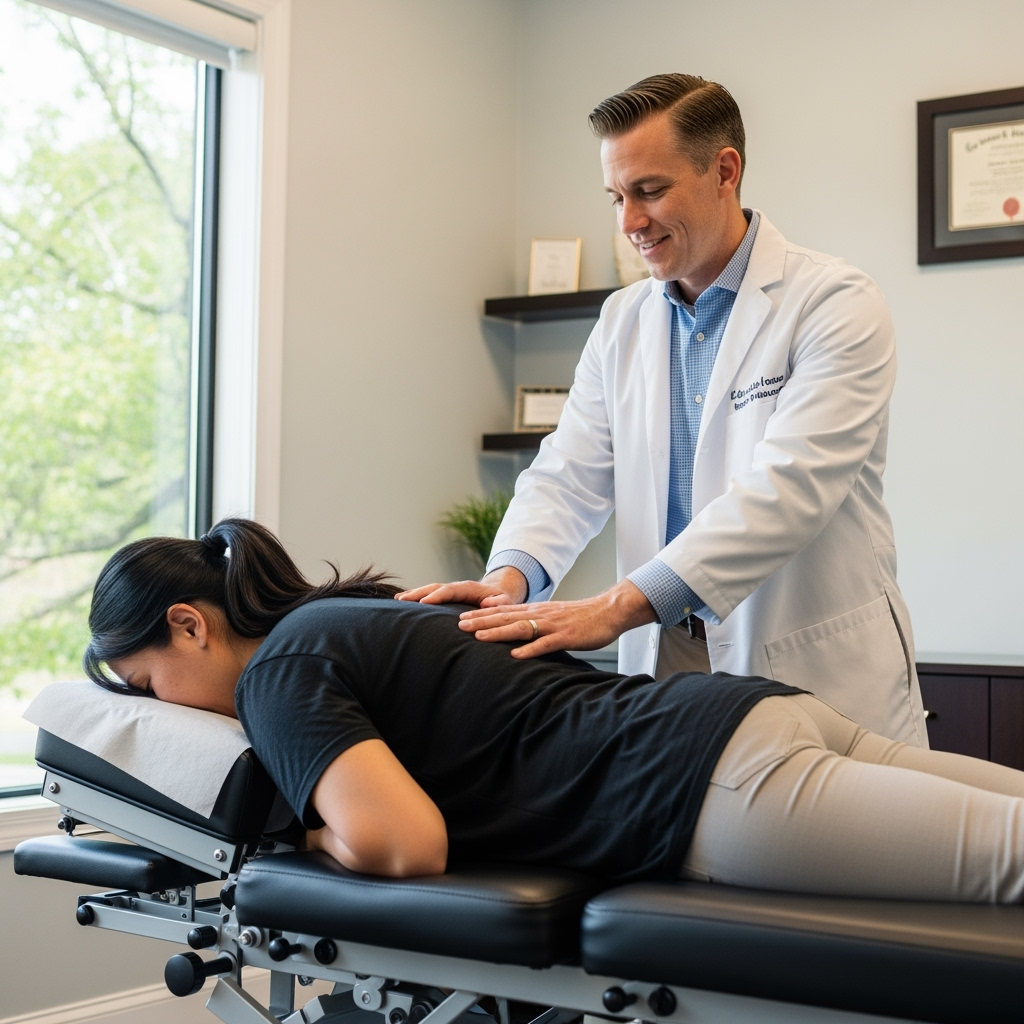
When people ask me where to start with back pain or nagging neck stiffness, I point them toward an experienced Athens GA chiropractor who knows our local rhythms — from campus life to the long commutes across Clarke County. For context on how common musculoskeletal issues are nationwide, the Centers for Disease Control and Prevention shows that these conditions are a leading cause of disability and lost work time, underscoring why local care matters now more than ever: https://www.cdc.gov.
Why choosing a local chiropractor matters
I’ve worked with people across neighborhoods like Five Points, Normaltown, and downtown Athens, and one thing is clear: local providers understand the ways our lives shape our bodies. Whether you’re a student carrying a heavy backpack, a parent juggling carpools, or someone who cycles the trails around the Oconee Hill Cemetery, a nearby practitioner can offer targeted care that fits your schedule and daily demands.
How chiropractic care can help you feel better
Chiropractic care is about restoring motion and reducing nervous system irritation so you can move, sleep, and work with less pain. Treatment often combines hands-on adjustments with movement coaching and lifestyle advice so improvements last. I find the most resilient recoveries come when hands-on work is paired with small daily changes that prevent recurrence.
Common reasons people in Athens seek care
People come in for a wide range of complaints, and those patterns tend to reflect local life. I regularly see:
- Low back pain from prolonged sitting or lifting
- Neck pain and headaches linked to screen time and study sessions
- Shoulder and hip problems from repetitive activity or sports
- Pain after slips, falls, or minor car accidents around town
Addressing these early makes a big difference. When issues are left to “tough it out,” stiffness and compensations can become chronic.
What to expect at your first visit
Your first visit should feel thorough and not rushed. Expect a friendly intake conversation about your history, current symptoms, and daily routines. A careful exam follows: movement testing, posture checks, and targeted orthopedic or neurological tests to pinpoint what’s limiting you. From there, a clear plan of care is established with specific goals and timelines so you know what progress looks like.
How the plan is shaped
Treatment plans are individualized. Most people receive a mix of manual adjustments, soft tissue work, corrective exercises, and practical home strategies. The goal is always to restore pain-free motion and to teach the body and brain to stay that way.
Simple, actionable steps you can use today
While professional care helps accelerate recovery, I always share techniques people can use right away to reduce pain and regain control. These are safe, practical steps you can try between visits.
- Micro-breaks: Every 30–45 minutes standing or walking for 1–2 minutes to relieve spinal compression.
- Seated posture reset: Sit with feet flat, neutral spine, and shoulders relaxed; tuck your chin slightly to reduce forward head posture.
- Targeted stretch: Gentle doorway pec stretch and thoracic rotations to relieve upper back tension.
- Breathing cue: Diaphragmatic breaths (slow inhale through the nose, slow exhale through pursed lips) to calm the nervous system and reduce muscle guarding.
Trending topics in chiropractic care to watch
Two trends are reshaping how people get and sustain pain relief in this area. First, virtual check-ins and telehealth have become a useful complement to in-person care. They make follow-ups easier for busy schedules and allow for guided home exercise sessions. Second, wearable posture sensors and guided mobile apps give real-time feedback that helps patients stay consistent with corrective exercises. Both trends help bridge clinic visits and everyday habits so improvements are more durable.
How care fits local lifestyles and activities
Athens life mixes long study hours, vibrant live music nights, and plenty of outdoor recreation. That variety means injuries can come from odd angles — a weekend hiking slip, a long concert standing session, or repetitive strain from lab or office work. Effective care is realistic: it helps people return to what matters to them, whether that’s walking the North Oconee Greenway, coaching youth sports, or finishing a semester strong.
When to see someone sooner rather than later
Not every ache needs urgent care, but some signs mean it’s time to schedule an appointment: increasing pain that limits daily tasks, numbness or tingling in an arm or leg, significant weakness, or pain after a fall or collision. Early assessment can prevent small problems from becoming chronic ones.
How care is tailored to different age groups
Chiropractic strategies are adapted for different life stages. For college students, the focus often includes posture, backpack ergonomics, and stress-related tension. For working adults, plans usually mix symptom relief with exercise progressions to build resilience. Older adults frequently benefit from gentle joint mobilization, balance training, and functional strength work to maintain independence and reduce fall risk.
Practical steps for choosing the right provider
Choosing someone you trust is important. Here are a few guidelines I recommend when you’re deciding where to go:
- Look for clear explanations during your first call or visit and a treatment plan that includes measurable goals.
- Ask about the mix of manual therapy, exercise prescription, and education — the best care blends these approaches.
- Check that the provider listens to your concerns and adapts the plan to your daily life rather than pushing one-size-fits-all protocols.
- Find a clinic with options that match your schedule, whether it’s evening hours near downtown or easy online check-ins.
Realistic outcomes and timelines
Recovery timelines depend on the issue, how long it’s been present, and your consistency with the plan. Acute strains often respond in a few visits when combined with home strategies. Longer-standing problems may require weeks to months of progressive care. The key is steady progress: every visit should build toward clearer movement and less pain.
What insurance and budgets commonly cover
Many patients use private insurance, Medicare, or pay out of pocket. Coverage varies, and it’s reasonable to ask a clinic about billing options and what a typical episode of care might cost. Transparent clinics will explain expected visit numbers and alternatives if insurance limits exist.
Stories of local recovery
I’ve seen people return from stuckness to activity with modest interventions and realistic expectations. One student went from nightly headaches and tight neck muscles to sleeping through the night after a plan that used gentle adjustments, posture coaching, and short daily movement breaks. A weekend runner regained pain-free mileage after targeted hip and pelvic work combined with a simple strength routine. These outcomes are possible when care is consistent and thoughtfully matched to the person’s life.
Final thoughts and next steps
If you’re in Athens, GA and tired of letting pain dictate your plans, taking a first step toward assessment is the most important move. A thoughtful, local approach blends hands-on care, practical exercises, and small habit changes that protect you going forward. When people commit to those pieces, they often see real improvements in everyday life.
If you’re ready to schedule an assessment or ask a question about how care can fit your routine, contact Five Points Chiropractic to learn more and book a visit.